
The École du Chemin places the child at the heart of learning, aiming to develop independent individuals who are comfortable in their own skin and open to the world. Teachers act as guides, facilitating discoveries and learning in a respectful and stimulating environment.
The pedagogical principles developed:
- Cooperation: Discovering Others and Ourselves.
Group activities: promote group work, collaborative projects, and class discussions to foster mutual aid and respect.
Mediation between children: train students in conflict resolution and mediation to manage disagreements in a constructive manner.
Personal development workshops: offer regular sessions on self-awareness, emotional management, and non-violent communication.
- Nature-Based Education: Observation and Experiments
Outdoor Classroom: Organize daily outdoor trips to allow children to learn directly in and from nature.
School Garden: Create and maintain a garden where children can learn about plants, natural cycles, and biodiversity.
Scientific Projects: Encourage observation projects during field trips, document these observations, and raise awareness about biology, geology, and ecology.
- Multilingualism: Education Open to the World
Multilingual Teachers: have both French and English-speaking teachers and offer multilingual support for international students.
Language Immersion: offer classroom sessions in different languages and activities that promote immersive learning, as well as cultural exchanges through correspondence with foreign schools.
Cultural Events: organize events that celebrate various cultures and languages to enrich students’ experience and promote diversity.
- Child Autonomy and Well-Being
Autonomous Learning: encourage individual projects where children choose their subjects of study and conduct research under teacher supervision.
Relaxation Spaces: create dedicated spaces for well-being with areas for reading, meditation, and free play.
Personalized Support: implement a system tailored to the needs of each child, considering their psychological and physiological needs.
Family Involvement: encourage active participation of parents in school life through regular meetings and joint projects.
- Alternative Teaching Methods at the Heart of Learning
Cooperative Class: Encourage the implementation of collaborative projects and class discussions to promote mutual aid and respect, while allowing children to express themselves freely.
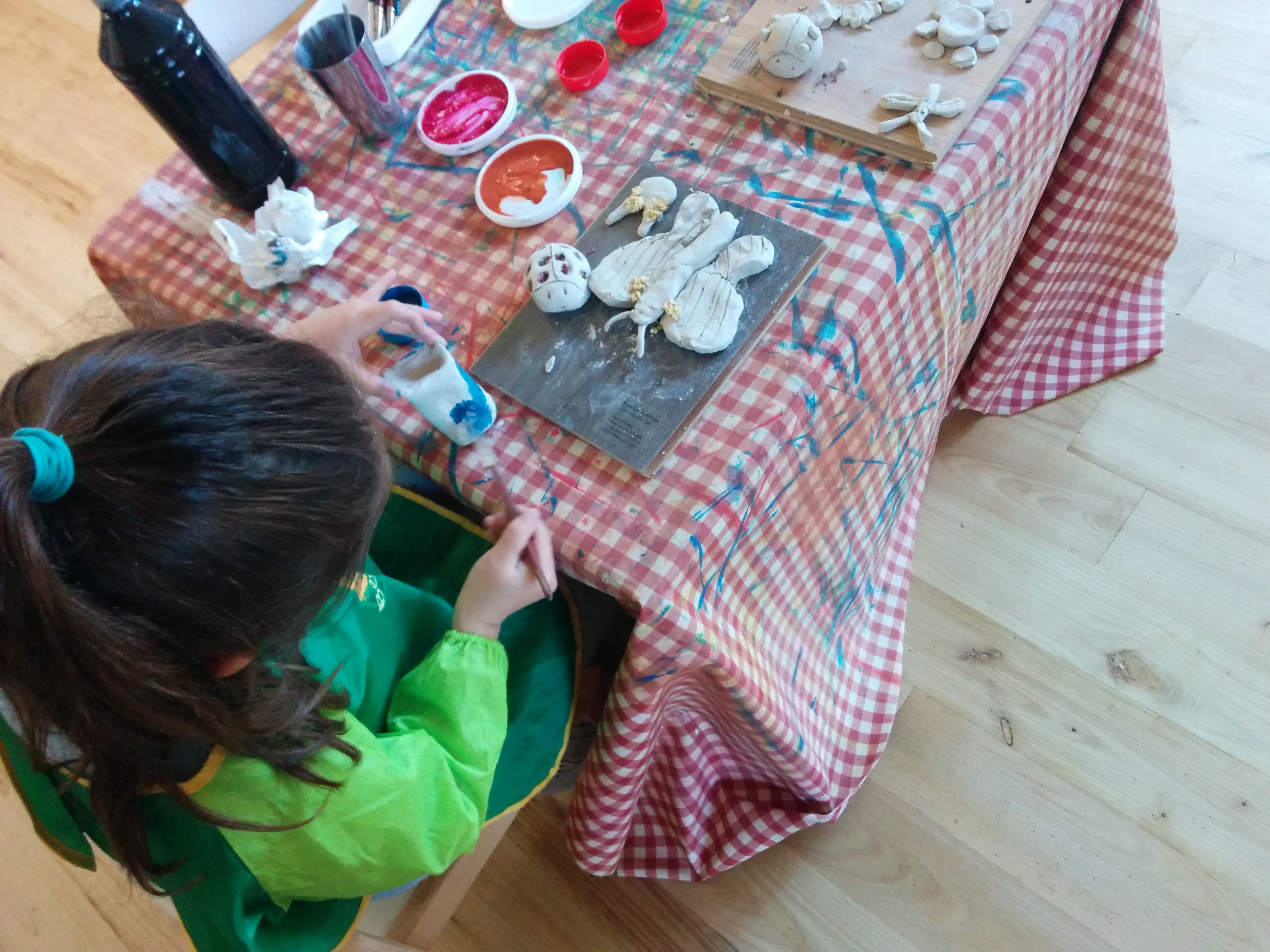
Free Expression: Encourage open exchanges and children’s writing tasks, giving each child the opportunity to express themselves according to their preferences and desires.
Student Involvement in Class Management: Encourage student participation in decision-making regarding class and activity organization.
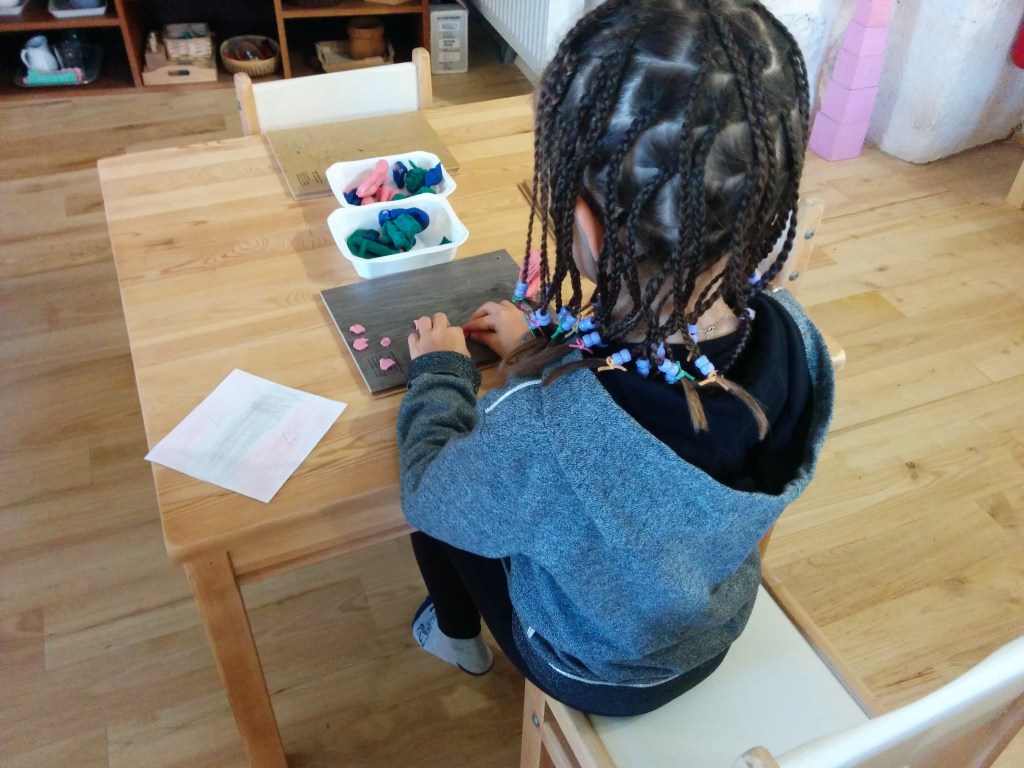
Prepared Environment: Create a conducive learning environment with carefully selected and organized materials to encourage exploration and discovery.
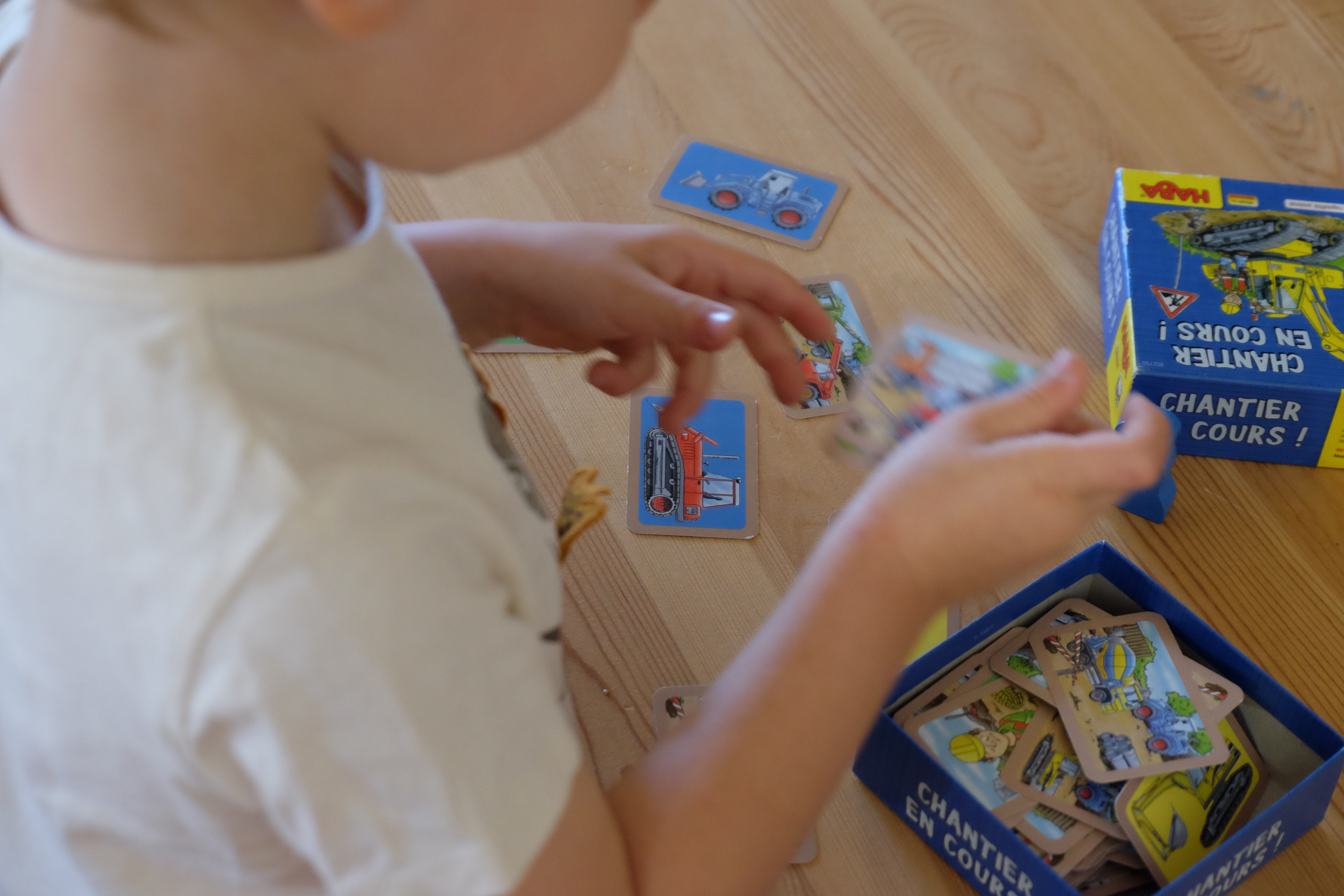
Freedom of Exploration: Encourage children’s autonomy by allowing them to choose their activities and work at their own pace, while respecting the limits set by the teacher.
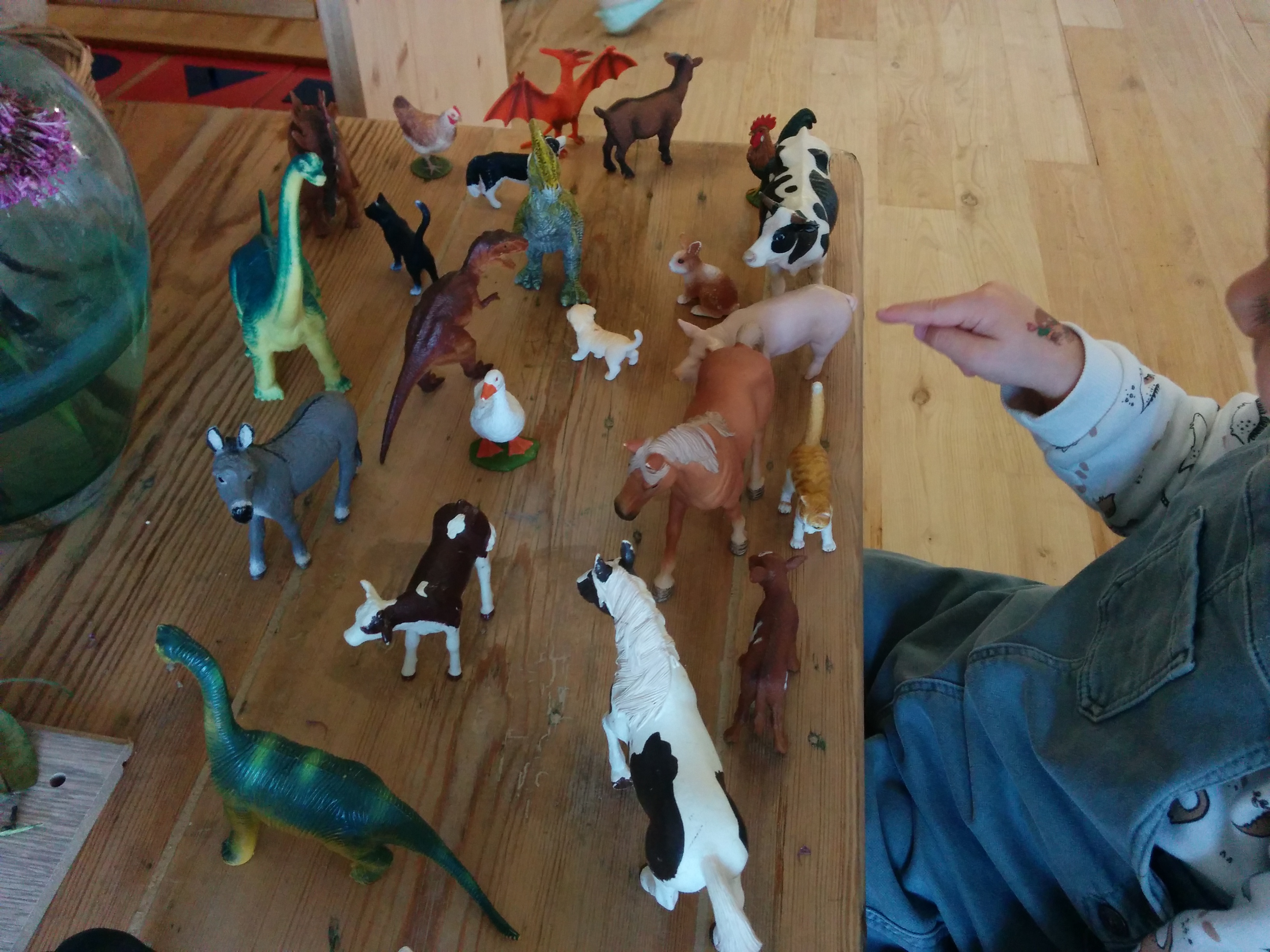
Sensory Learning: Offer activities for experimentation and direct observation to stimulate the senses and curiosity of the children.
 L'ÉCOLE DU CHEMIN